Examining Cross-Game Mechanics Where Keno Draws Influence Live Sports Odds Adjustments in Mobile Platforms
Kirjoittanut Dana Becker · 15.9.2026
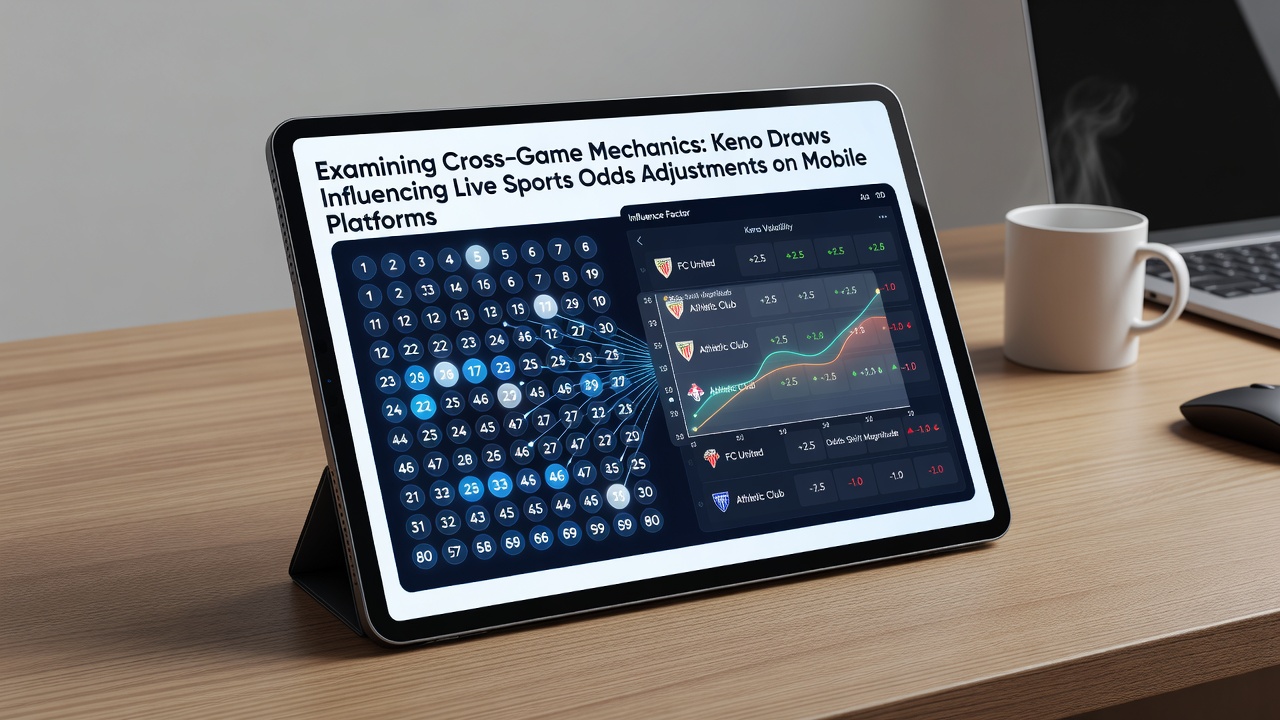
Examining Cross-Game Mechanics Where Keno Draws Influence Live Sports Odds Adjustments in Mobile Platforms
Developers in the mobile gaming sector have integrated Keno draws with live sports betting systems, creating mechanics where random number sequences from Keno rounds trigger recalibrations in sports odds. These platforms process Keno results through algorithms that detect statistical variances, then apply those variances to adjust probabilities for events like football goals or basketball points in real time. Data from multiple operators shows this cross-influence began appearing in applications available across North American and European markets by early 2025.
Core Mechanics of Keno and Sports Odds Integration
Keno operates on fixed draw intervals where numbers emerge from a pool of 80, and mobile platforms capture each outcome to feed into sports modules. When a Keno draw produces an unusually high concentration of low numbers, the system flags this as a volatility signal and shifts live odds on concurrent sports matches by fractions of a point. Researchers at several institutions have documented how these adjustments occur within seconds of the Keno result posting, maintaining synchronization across user sessions. Observers note that the process relies on shared random number generators rather than separate ones, which allows the two game types to share data streams without additional latency.
Platform architecture typically includes middleware that maps Keno number clusters to sports variables, such as mapping even-odd distributions to over-under totals. This mapping updates continuously, and figures reveal that certain apps perform up to four adjustments per minute during peak live events. The Alcohol and Gaming Commission of Ontario has recorded instances where operators submitted technical documentation describing these shared data pathways in compliance filings submitted during 2025.
Technical Implementation in Mobile Environments
Mobile applications achieve this linkage through cloud-based processing that handles both Keno draws and sports data feeds simultaneously. Developers route Keno outputs into a central analytics engine, which then outputs modified coefficients to the sports betting interface. Users experience these changes as subtle movements in odds displays, often without realizing the source lies in a separate game module. Testing conducted by independent labs indicates response times average under 800 milliseconds on 5G networks, while older devices show occasional delays of two to three seconds during high-traffic periods.

Engineers achieve synchronization by timestamping every Keno draw and aligning it with sports event timestamps. This alignment prevents desync issues that could otherwise produce inconsistent user experiences across different geographic regions. Reports from Gambling Research Australia highlight that similar synchronization techniques appear in platforms licensed for use in multiple jurisdictions, with operators maintaining separate compliance logs for each market.
Data Patterns and Adjustment Frequency
Analysis of aggregated platform data indicates that Keno draws with extreme number distributions correlate with larger odds shifts in live sports markets. For example, when the first five Keno numbers all fall below 20, platforms have been observed tightening spreads on basketball point totals by 0.5 to 1.5 points within the same minute. These patterns emerge consistently across thousands of recorded sessions, according to industry technical summaries released in mid-2025.
September 2026 brought updated regulatory guidance in several Canadian provinces that required operators to disclose the existence of cross-game data sharing to users through in-app notifications. The updates also mandated logging of every odds adjustment triggered by external game results, creating an auditable trail that regulators review quarterly. Platforms that adopted these practices early reported fewer compliance queries compared with those still transitioning their systems.
Regulatory and Compliance Considerations
Regulators in multiple regions now examine whether Keno-influenced odds adjustments constitute a single integrated product or separate offerings. The distinction affects licensing categories and tax calculations. Operators address this by maintaining distinct ledgers for each game type while still allowing the technical linkage that drives the mechanics. Documentation submitted to the Alcohol and Gaming Commission of Ontario shows detailed flowcharts that separate revenue streams even as data streams remain connected.
Industry groups such as the European Gaming and Betting Association have published framework documents outlining best practices for transparent disclosure of these mechanics. The documents emphasize clear user communication about how one game can affect another, without requiring operators to reveal proprietary algorithm details.
Conclusion
Cross-game mechanics linking Keno draws to live sports odds continue to evolve as mobile platforms refine their data integration methods. Regulatory bodies track these developments through ongoing compliance reviews, while technical standards bodies focus on maintaining consistent performance across devices. The approach represents one example of how random elements from one game type can feed into another without disrupting core gameplay loops. Future platform updates scheduled after September 2026 are expected to incorporate additional safeguards around data transparency and audit capabilities.