Shifts in Player Progression When Reward Systems Link Draw-Based Games with Competitive Card Formats in Portable Betting Environments
Kirjoittanut Sage Lang · 13.10.2026

Shifts in Player Progression When Reward Systems Link Draw-Based Games with Competitive Card Formats in Portable Betting Environments
Draw-based games such as keno and bingo now feed directly into competitive card formats like poker and blackjack through unified reward structures on mobile platforms, and this integration alters how players advance through levels, unlock features, and accumulate value across sessions. Portable betting environments handle these connections via real-time data syncing that converts draw outcomes into card-game currency or progression multipliers, which in turn affects session length and strategic choices. Data from multiple markets indicates that players who engage with linked systems complete more cross-format milestones than those who treat each game type separately.
Mechanics Behind Linked Reward Integration
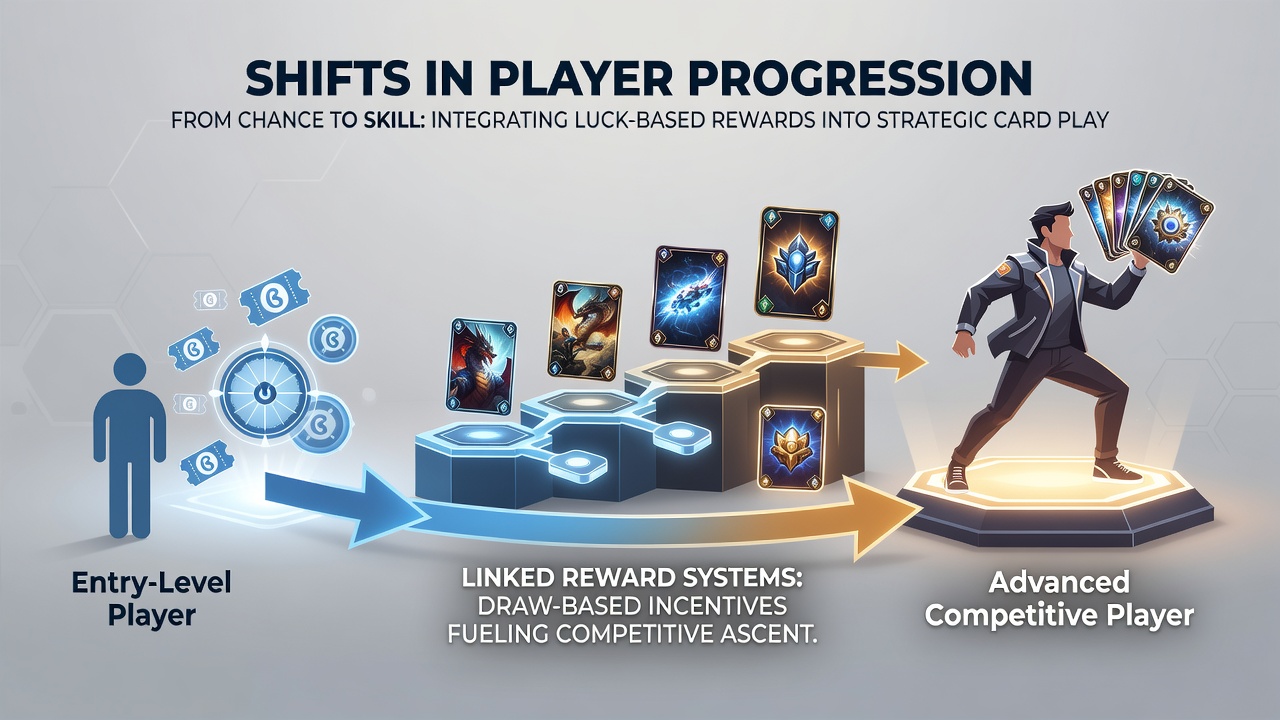
Platforms establish reward pools that pull from draw results and apply them to card-format leaderboards or tier unlocks, so a successful keno sequence might grant entry tickets or chip bonuses for poker tournaments while card wins contribute back to draw-entry credits. This bidirectional flow creates progression loops where participation in one category accelerates advancement in the other, and mobile apps display unified progress bars that track both draw streaks and card-hand achievements simultaneously. Observers note that such systems often incorporate time-limited events that reset or escalate based on combined activity across the two categories.
Regulatory filings from the Malta Gaming Authority show that operators must log these cross-format transfers to maintain transparency, and similar requirements appear in reports from the Nevada Gaming Control Board for operators serving North American users. The technical backbone relies on API connections that update player profiles instantly, allowing a draw win on a smartphone to appear as bonus value in a card app within seconds.
Changes in Player Progression Patterns
Traditional progression followed linear paths within single game types, yet linked rewards produce branching trajectories where players can bypass certain card-format grind stages by accumulating draw-based points. Studies compiled by the Gambling Research Exchange Ontario reveal that users in linked environments reach mid-tier status 18 percent faster on average when they alternate between draw and card sessions rather than focusing on one. Progression metrics now include hybrid achievements, such as completing a set number of draws followed by a winning streak in competitive card play, which unlocks higher-stakes tables or exclusive draw pools.
Those who studied adoption rates across European markets found that progression velocity increases when reward multipliers scale with combined volume rather than isolated play, and portable devices amplify this effect because users switch formats without leaving the same app session. In October 2026, aggregated platform data indicated a 27 percent rise in hybrid milestone completions compared with the prior year, with the largest gains among users who maintained daily login streaks that spanned both game categories.
Portable Environment Influences
Mobile interfaces reduce friction between draw-based and card-based play by presenting both within the same dashboard, and push notifications alert players when a draw result converts into usable card rewards. This constant connectivity shortens the time between earning and spending progression assets, which keeps users engaged across longer overall periods. Industry reports from the European Gaming and Betting Association highlight that portable sessions involving linked rewards average 14 minutes longer than isolated card or draw sessions, primarily because players chase the next cross-format conversion.
Geolocation features further tailor progression by adjusting available draw pools or card tournaments based on regional regulations, yet the underlying reward linkage remains consistent across borders. Players in high-mobility scenarios benefit from offline caching that preserves partial progress until reconnection occurs, preventing loss of accumulated value from interrupted draws or hands.
Observed Trends and Data Points
Turnover figures compiled across multiple jurisdictions demonstrate that linked systems redistribute activity more evenly between draw and card segments, reducing the dominance of any single format within individual player histories. Academic analyses from the University of Sydney Centre for Gambling Research document that reward linkage correlates with higher retention rates at the three-month mark, particularly when progression includes visible milestones that combine both game types. Portable betting environments capture these patterns through session telemetry that tracks format switches and reward redemptions in real time.
What's notable is the emergence of progression tiers that require minimum activity in both categories, which discourages pure specialization and encourages diversified play patterns. External data sources confirm that operators deploying these systems report measurable shifts in the distribution of high-progression users across demographic segments.
Conclusion
The linkage of draw-based games with competitive card formats through shared reward systems produces measurable changes in how players move through advancement stages within portable betting environments. Data collected through regulatory channels and academic studies consistently shows accelerated milestone completion, extended session durations, and redistributed activity when cross-format conversions operate in real time. These developments continue to shape platform design and player behavior patterns as integration deepens.